ServicesDental Implants
Dental Implants in Flower Mound
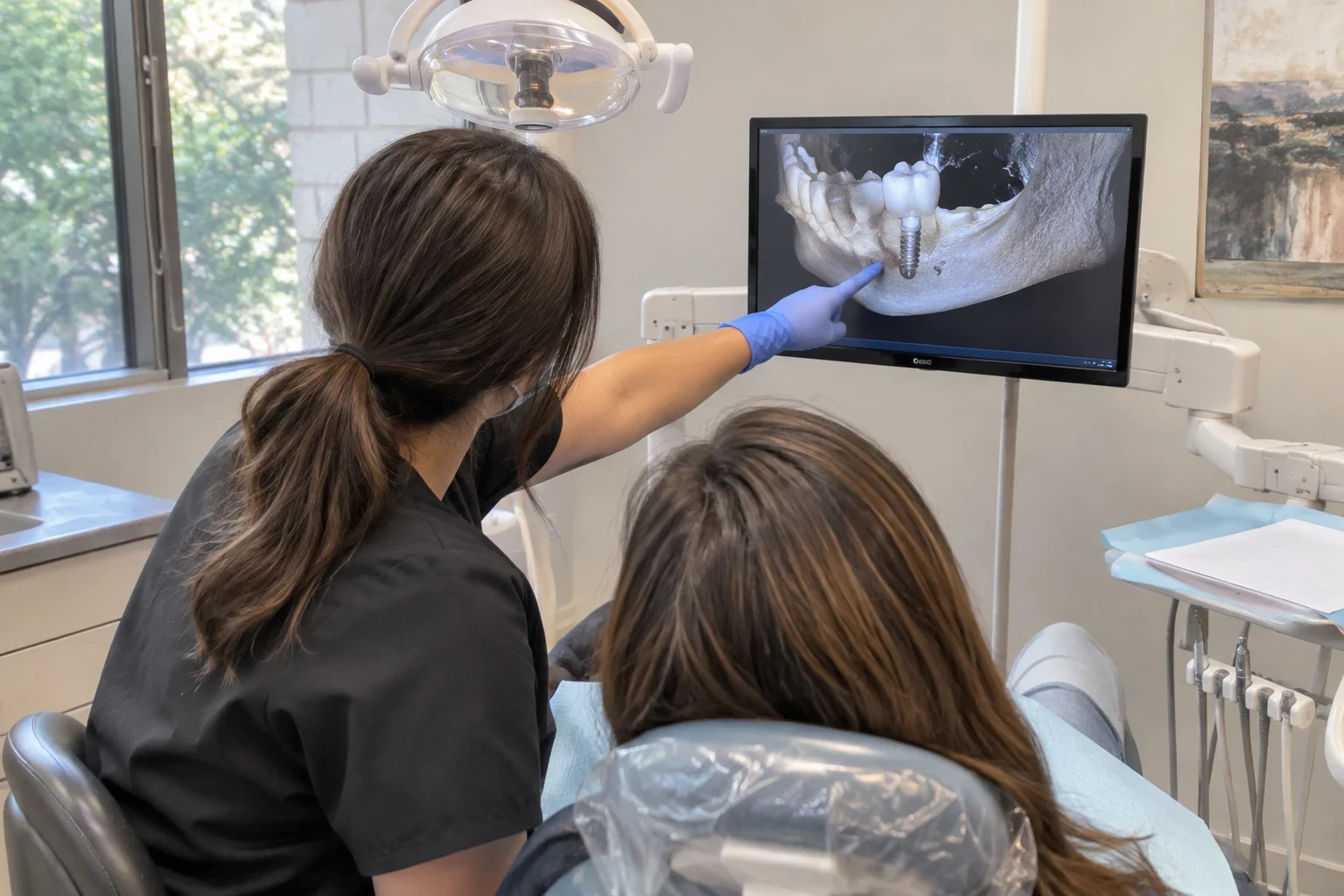
A missing or failing tooth can be replaced with an implant that looks, feels and chews like your own. We plan each one from a 3D scan, place it gently and fit the crown carefully, so your new tooth is comfortable from the first bite.
A replacement tooth anchored like a natural one
An implant replaces the root of a lost tooth with a small titanium post that sits in the jawbone. After the bone has grown snugly around that post, we add a connector called an abutment, then a crown made just for you. The new tooth holds itself up, with no clips or plate, and it does not borrow support from neighboring teeth the way a bridge does.
Implants often make sense when a tooth is already missing, when a cracked or decayed tooth is past saving, or when a loose partial denture makes meals a struggle. Because the post works like a root, it also helps the jawbone keep its size, which matters since that shrinking bone is what gradually changes the shape of a face after tooth loss.
Whether an implant lasts comes down to details most patients never see: the angle the post goes in, how closely the crown seals where it meets the gum, and how evenly your bite lands on it. That is where we put our care and our time.
What your implant treatment includes
- 3D CBCT scan and planning
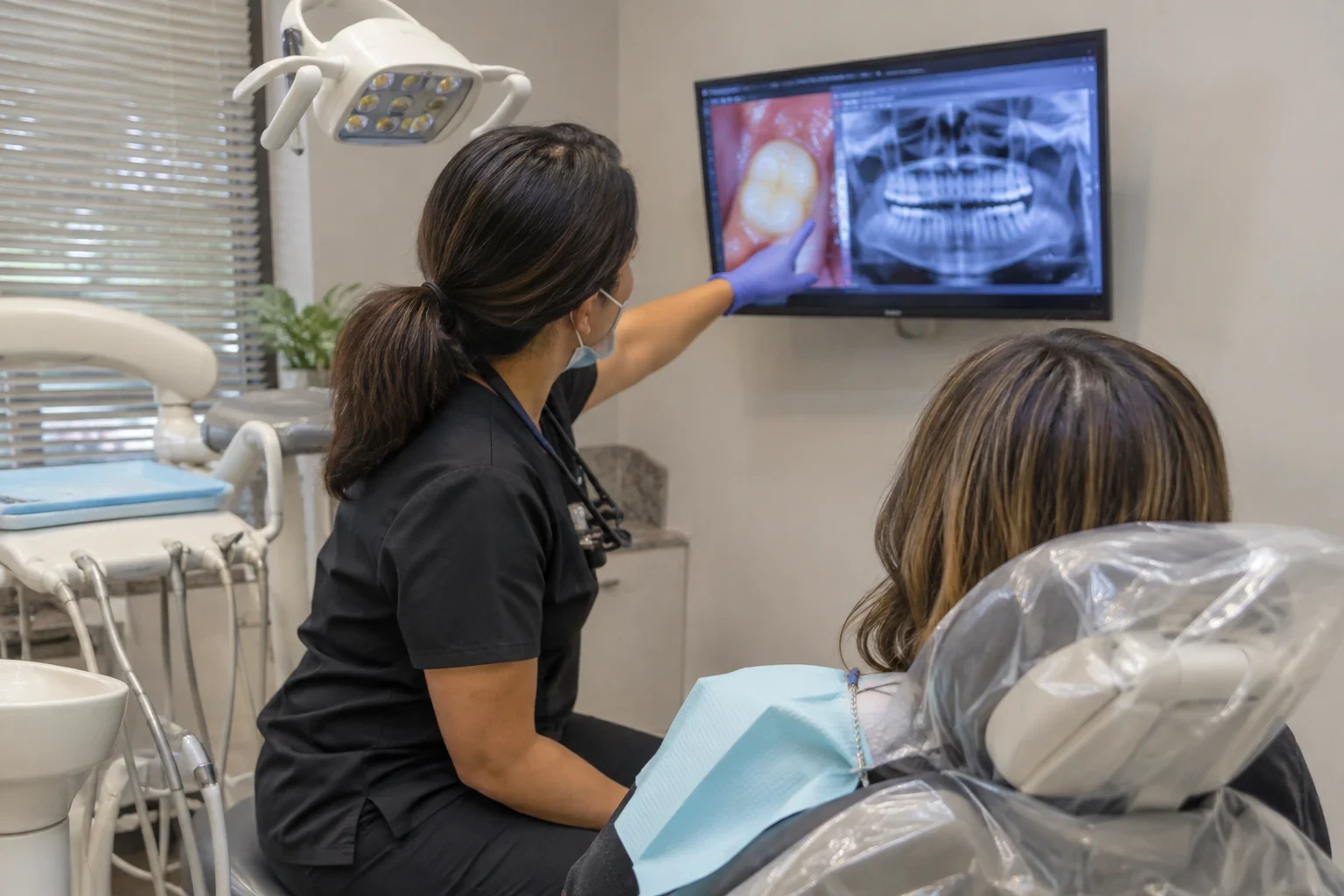
- We take a cone beam scan so we can measure bone height, width and density and see nerves and sinuses before anything is placed. The post position is planned on screen, not guessed at the chair.
- Gentle implant placement
- The post is placed under local numbing at our office. Most patients tell us it felt like less than they expected, and the visit is usually shorter than they planned for.
- Bone grafting when needed
- If a tooth has been missing for a while, the bone may be too thin to hold a post securely. A graft rebuilds that area first so the implant has a solid foundation.
- Custom abutment and crown
- The crown is shaped and shaded to match the teeth beside it. We check the edges where it meets the gum so there is no ledge for food and bacteria to collect.
- Bite check and follow-up
- We adjust how your new tooth meets the opposite teeth so it does not take more force than its neighbors. Follow-up visits let us check the gums and the fit as you get used to it.
When an implant is worth a look
You favor one side when eating
Chewing only on one side since losing a tooth puts extra strain on the teeth doing the work. Over time, nearby teeth can also tip into the open space.
A tooth past saving
A deep crack, a root canal that has failed or decay that reaches below the gum can mean removal and replacement is the better path. If the tooth can still be saved, we will tell you.
Dentures that shift or rub
A loose denture can make talking and eating tense. Implants can hold a denture firmly in place.
A bridge that keeps giving out
A bridge leans on the teeth at each end. When those anchor teeth weaken, an implant takes the load off them.
Your face or bite feels different
Once bone no longer holds a root, it slowly shrinks. Hollowing in the cheeks or a bite that has shifted can be early clues.
How the implant process works
- 1
Focused evaluation
We look closely at the area, take digital X-rays, and add a CBCT scan when the case calls for one. Then we ask about your goals and worries. You go home with a clear treatment plan and each step explained.
- 2
Preparing the site
If the damaged tooth is still there, we take it out first. When the bone needs more support, a graft can often go in during that same visit.
- 3
Placing the post
Once you are numb, we set the post at the depth and angle we planned from your scan. Most patients are back to their usual day by the next morning, eating soft foods for a little while.
- 4
Healing time
Over the next few months, bone grows tight against the implant. We do not rush this, since putting a crown on too soon can loosen a post that has not settled.
- 5
Fitting your new tooth
We connect the abutment, seat the crown, clean off any leftover material at the gumline and adjust how your teeth come together. Before you leave, we show you how to keep the gums around it healthy.
What moves the cost of dental implants
We price every implant plan from your own exam and scan, then go over each step with you, and the reason for it, before any treatment begins. Our office is in-network with 15+ major PPO dental insurance plans, and if you have no dental coverage, our In-house Membership Plan is there for you. We also offer 0% interest financing for up to 24 months, and checking whether you preapprove has no impact on your credit score.
- How many teeth you are replacing
- One post with one crown is a smaller plan than several posts supporting a bridge or a full denture.
- Whether bone needs rebuilding
- Thin or soft bone may need a graft before or alongside the post. That adds a step and some extra healing time.
- A tooth that still has to come out
- If the damaged tooth is still in place, removing it becomes part of your plan and part of the total.
- The kind of tooth on top
- A single crown, an implant bridge and an implant-supported denture each use different parts and different lab work.
- How your dental plan handles implants
- PPO plans vary widely on implant coverage. We check your benefits and tell you what is likely covered before you decide anything.
Dental implant questions we hear often
Something not covered here? (972) 573-9487
Does getting an implant hurt?
We make sure the area is fully numb before placement, so most patients feel pressure rather than pain. Expect the spot to be tender for a couple of days, and most people manage that with the same pain medicine they keep in the cabinet for a headache. We walk you through how the day will feel beforehand so nothing catches you off guard.
How long does the whole process take?
For most patients, the time from placement to final crown runs several months. That wait gives the jawbone time to fuse with the post so it can handle chewing force. An extraction or bone graft first adds its own healing period, and we map out your timeline at the evaluation.
I was told I do not have enough bone. Can I still get an implant?
Often, yes. A graft can rebuild the area, and the 3D scan shows exactly how much support you have today. If an implant is not the right fit, we will tell you plainly and talk through other choices such as dentures.
How long do dental implants last?
A well-placed implant that you care for can serve you for many years. The usual threats are gum infection around the post and a bite that loads it too heavily, which is why we pay close attention to the seal at the gumline and the way your teeth meet. Regular cleanings and checkups keep it in good shape.
Is an implant better than a bridge?
An implant stands on its own, so the teeth beside the gap do not have to be shaved down to support it. A bridge can be finished faster and suits some mouths well. We lay out the tradeoffs for your situation so you can choose with the facts in hand.
Find out if implants fit your smile
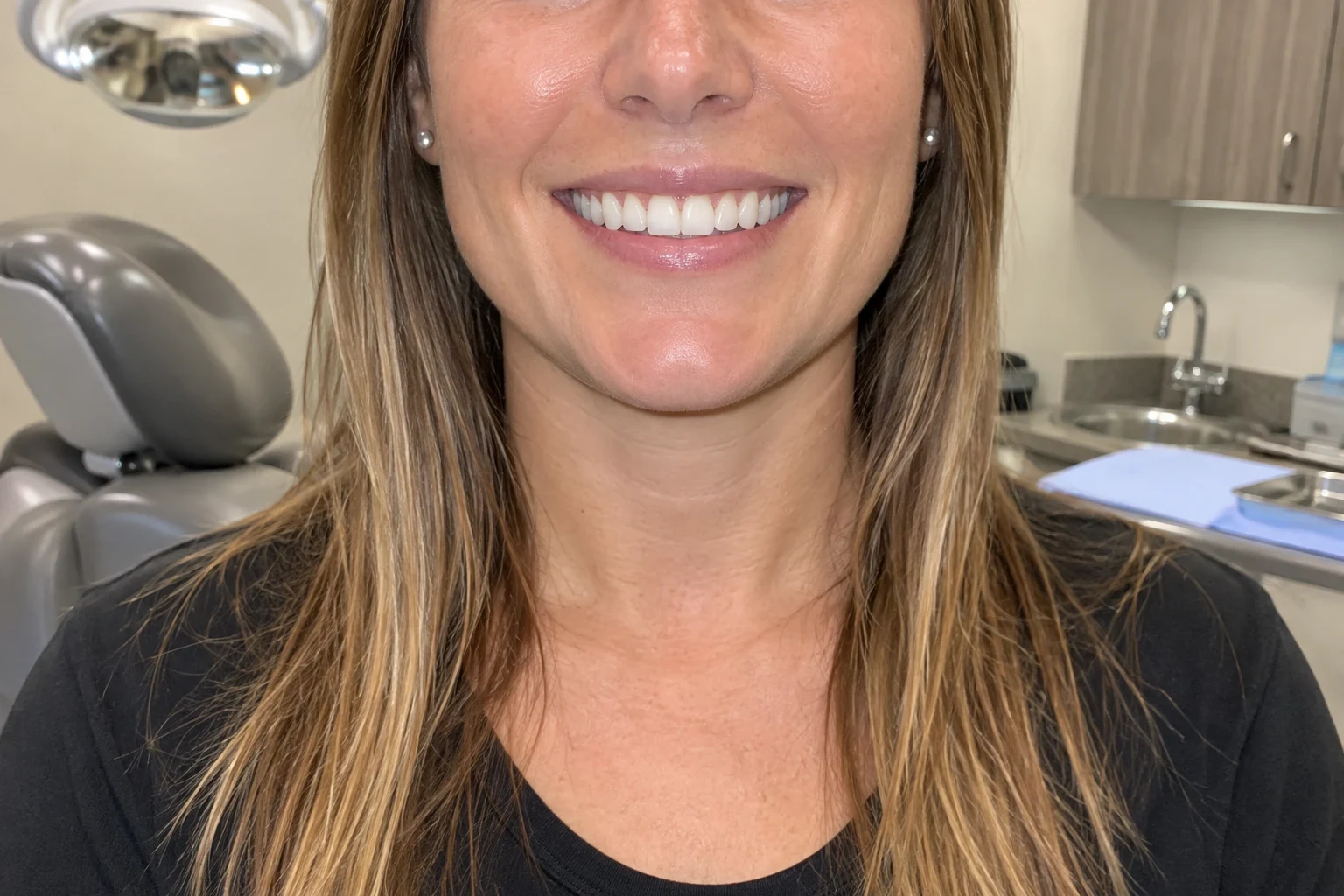
New patients can start with our $89 new patient special for a full exam and cleaning, or book the $25 focused evaluation to look at implants specifically. We see patients from Flower Mound, Highland Village, Lewisville and nearby towns.